 By Dr. Taylor, Aesthetic Medicine Specialist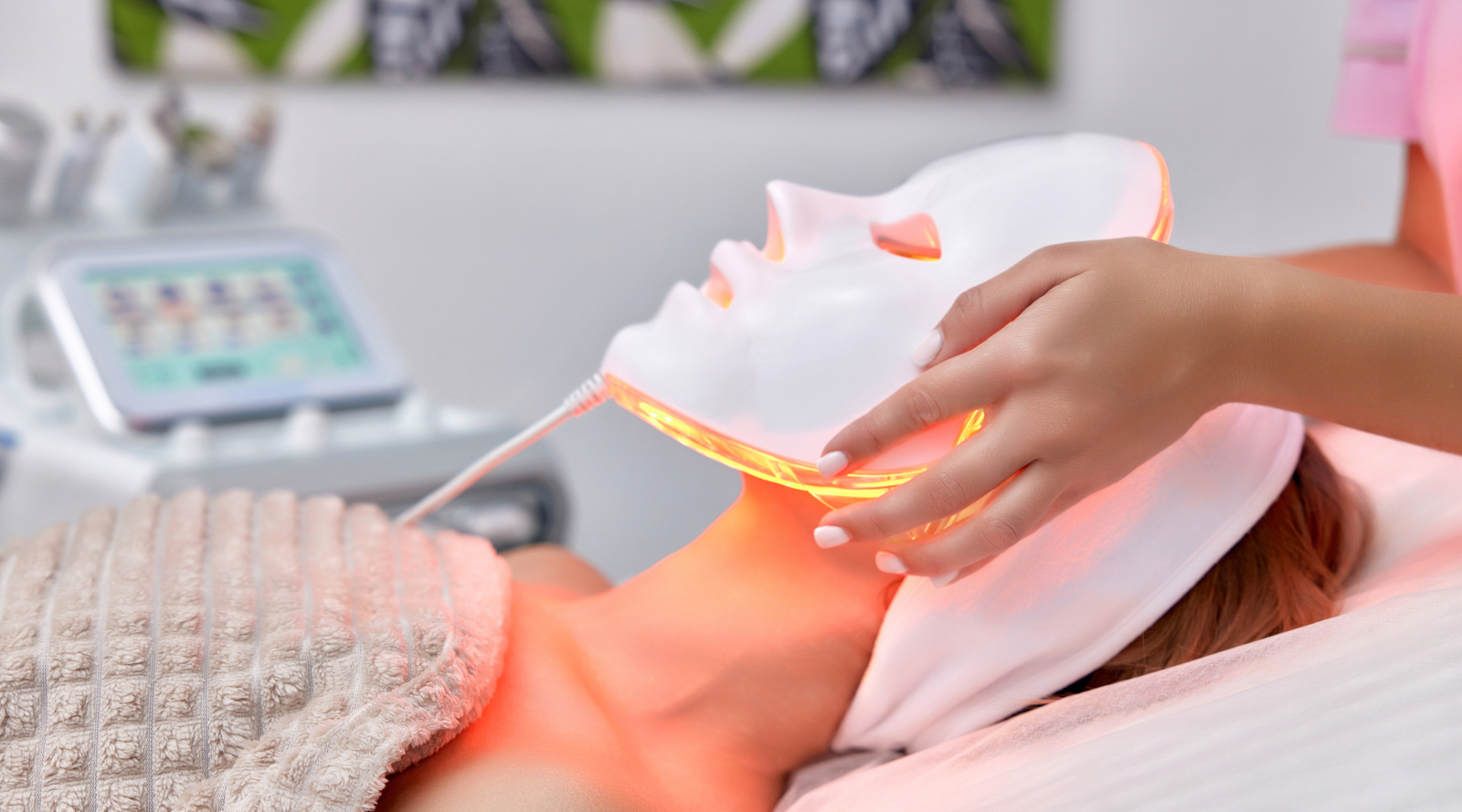
Red light therapy masks have officially moved from “celebrity trend” to “everyday essential,” and honestly, it makes sense. They’re gentle, soothing, deeply science-backed, and they give your skin that healthy, lit-from-within glow without irritation or downtime. If you’ve ever used one, you already know how calming and spa-like the whole experience feels. And if you haven’t tried yet — don’t worry. This guide will walk you through everything in the simplest, clear, but dermatology-smart way.
The Science Behind Red Light Therapy (Explained Simply)
Red light therapy works by using specific wavelengths of visible red light (usually 630–660 nm) and sometimes near-infrared light (830–850 nm). These wavelengths penetrate the skin gently but effectively, reaching the deeper layers where your cells are basically running your skin’s repair mechanisms.
When your skin absorbs red light:
- Your cells start producing more ATP, which is basically their fuel source.
- Collagen-making cells (fibroblasts) become more active.
- Inflammation calms down, so redness reduces.
- Tiny micro-injuries or irritation heal quickly.
- Your skin barrier becomes more resilient.
What I love about red light therapy is that it’s not forcing your skin to do anything extreme. It simply wakes it up, energises it, and helps it function the way healthy skin naturally should.
There’s no heat damage. No burning. No downtime. It’s skincare that feels like relaxation, not torture.
Step-by-Step: How to Use a Red Light Therapy Mask Correctly
1. Cleanse your skin thoroughly
Always start with clean skin. This ensures the light actually penetrates instead of getting blocked by makeup, SPF, oils, or dirt.
Use something gentle — foaming cleansers, gel cleansers, micellar water if you’re dry or sensitive.
Avoid exfoliating cleansers right before treatment.
2. Keep the pre-mask routine minimal
You can apply a hydrating serum if you want, but keep it simple:
- Hyaluronic acid
- Peptides
- Centella
- Panthenol
These help your skin stay comfortable during treatment and can support healing.
Avoid anything that can irritate or photosensitize:
- Retinol
- AHAs/BHAs
- Vitamin C
- Benzoyl peroxide
Save those for later in your routine.
3. Put on the mask and make sure it fits correctly
Your LED mask shouldn’t pinch or press too hard.
It should sit comfortably and cover your main treatment zones: forehead, cheeks, jawline.
If the mask has built-in eye protection, great.
If not, close your eyes during treatment or wear protective goggles.
Your skin should feel calm — never hot, tight, or irritated.
4. Pick your light mode
Most masks include two categories of wavelengths:
- Red light → improves fine lines, glow, texture, redness
- Near-infrared light → deeper repair, firmness, wound healing
Red + NIR together is usually the most effective combo.
5. Relax for 10–20 minutes
This is your little spa moment.
You can meditate, scroll TikTok (eyes closed please), listen to music — whatever feels cozy.
Longer sessions don’t bring faster results. Stick to what the manufacturer recommends.
6. Use it 3–5 times per week
Red light therapy is about consistency, not intensity.
Like working out, the magic happens through repetition.
You’ll likely see:
- A calmer complexion in 1–2 weeks
- Glow and brightness in 3–4 weeks
- Texture + fine line improvements in 6–8 weeks
- Firmness benefits after 8+ weeks
Be patient — this is slow beauty that builds over time.
7. Apply your moisturizer afterwards
After you remove the mask, your skin is in “recovery mode,” and this is the perfect moment to nourish it.
Use something soothing and hydrating — creams with ceramides, glycerin, squalane, oat extract, or panthenol.
Avoid strong activities for at least 30–60 minutes after.
What Results Can You Expect?
Consistent red light therapy use can lead to:
- Healthier, calmer-looking skin
- Softer, smoother texture
- More even skin tone
- Less redness and inflammation
- Stronger skin barrier
- Plumper, bouncier feel
- Fewer visible fine lines
- Faster fading of acne marks
- Less irritation from other products
It won’t replace retinol or professional treatments, but it supports everything else beautifully. It turns your skin into a better version of itself.
When to Use Your Red Light Mask in Your Routine
You can use your LED mask:
Morning:
Great if you deal with redness, puffiness, or dullness.
Evening:
Perfect for relaxation and winding down.
If using retinol at night:
LED mask → wait 30 minutes → apply retinol.
If doing vitamin C in the morning:
Cleanse → LED mask → hydration → vitamin C → SPF.
Just don’t stack the mask directly with harsh actives.
Safety Notes You Should Know
- Red light therapy is generally very safe.
- Don’t use it on broken skin, burns, wounds, or active infections.
- If you have melasma, avoid near-infrared — use only red light.
- If you’re on photosensitizing medications, check with a dermatologist.
- Avoid using directly after microneedling unless approved by your provider.
It’s gentle but still a treatment.
Why Red Light Masks Are Worth It
Red light therapy is one of the few at-home devices that actually produces visible, clinically-backed results without damaging your skin or causing inflammation. It’s the opposite of aggressive. It’s basically emotional support light for your skin — warm, healing, calming, and consistent.
Whether you’re dealing with texture issues, redness, post-acne marks, early fine lines, or just want more glow, an LED mask can easily become your favorite part of your routine.
Final Thoughts
Red light therapy masks aren’t magic — but they’re one of the closest things we have to a safe, at-home, skin-transforming treatment. They’re relaxing, easy to use, and they work with your skin rather than against it. If you stay consistent, your skin absolutely will show it.
Red Light Therapy Mask — Frequently Asked Questions (FAQ)
Is a red light therapy mask FDA-approved?
Most red light therapy masks are not FDA-approved, because the FDA doesn’t “approve” beauty devices. Some high-quality masks are FDA-cleared, meaning they’ve passed safety testing for light intensity, materials, and eye protection. Always check for the term FDA-cleared and a valid 510(k) number on the brand’s official website to ensure the device meets safety standards
Is it safe for sensitive skin?
Yes, red light therapy is one of the gentlest treatments available. It doesn’t heat the skin, doesn’t cause peeling, and doesn’t disrupt the barrier. Sensitive skin usually loves it — especially if you keep the rest of your routine simple.
Can I use retinol or acids after the treatment?
Yes, but wait at least 30–60 minutes after using the mask so your skin can settle.
If you’re sensitive: use LED on retinol-free nights.
Does the mask help with acne?
Red light itself doesn’t kill acne bacteria (that’s blue light), but it reduces inflammation, speeds up healing, and minimizes post-acne marks. So yes — it’s amazing for acne recovery.
Can I use a red light mask if I have melasma?
You can, but avoid near-infrared light.
Stick to red light only, because NIR penetrates deeper and can sometimes worsen pigmentation in melasma-prone skin.
Can I use red light therapy with SPF on my skin?
No — SPF blocks light penetration.
Always cleanse before using the mask.
Can pregnant or breastfeeding women use red light therapy masks?
Red light therapy is generally considered safe, but research is limited.
Most brands recommend checking with your doctor first.
Does red light therapy hurt?
Not at all.
No heat, no pain, no tingling. It feels like a warm, cozy, self-care moment.
Can I tan or do sun exposure after red light therapy?
Yes — red light doesn’t make your skin more sensitive to the sun.
But always use SPF 30+ after your morning routine because glowing skin still needs protection.
Is blue light included in red light therapy masks?
Some masks include blue light, but most modern anti-aging masks focus on red + near-infrared because they’re gentler and more effective for long-term skin health.
Do I need eye protection?
If the mask has eye shields or silicone inserts — you’re good.
If not, closing your eyes is enough for most people, but sensitive users can wear LED-safe goggles.