 By Dr. Taylor, Aesthetic Medicine Specialist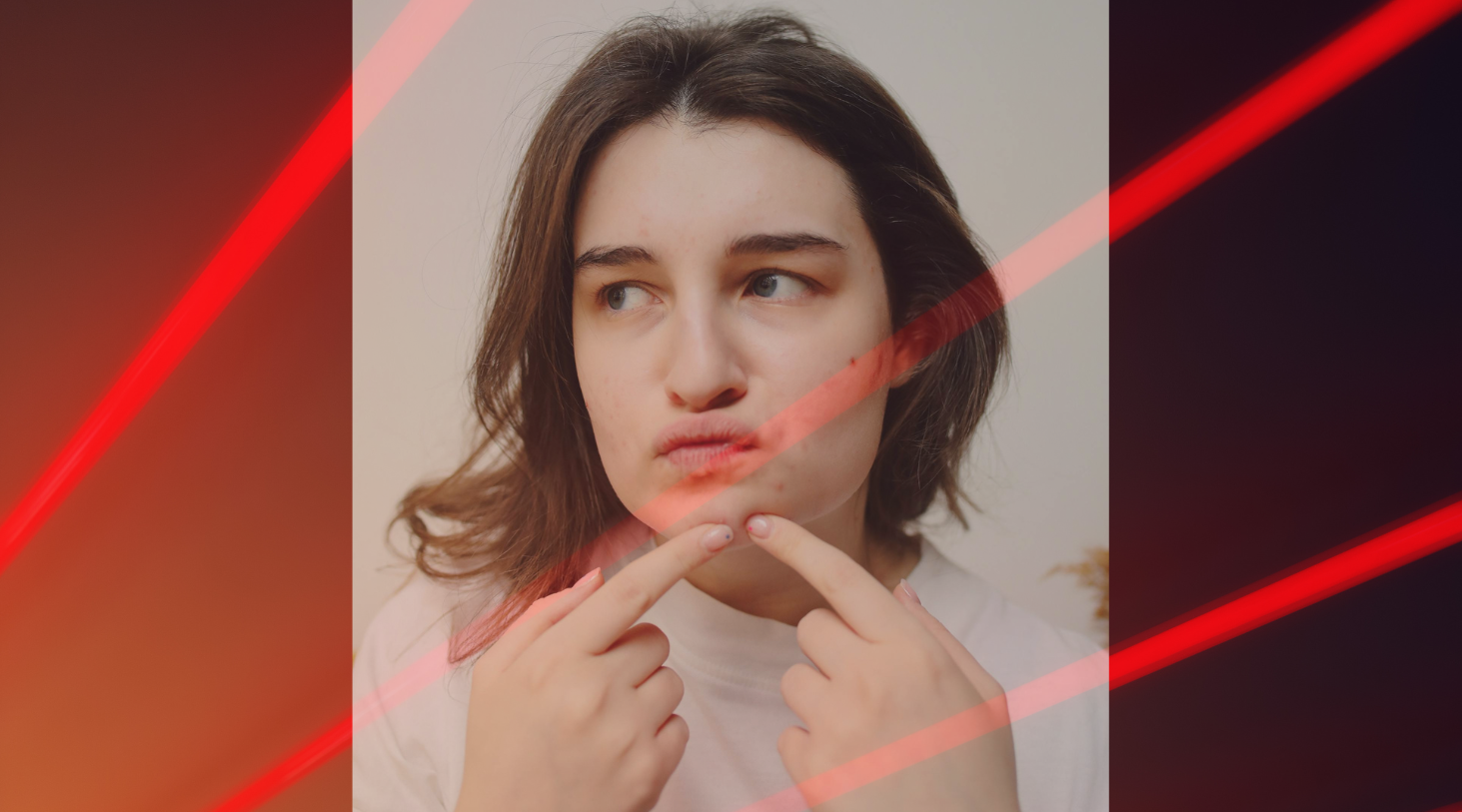
Red light therapy has gained significant popularity in recent years for its ability to reduce inflammation, accelerate healing, and improve overall skin quality. It is widely used in dermatology clinics, aesthetic practices, and at-home skincare routines.
While red light therapy is generally considered safe and non-comedogenic, some users report experiencing new breakouts after beginning treatment. This raises an important question: can red light therapy actually cause acne?
This guide examines the science behind red light therapy, explores why certain individuals may experience breakouts, and provides clear recommendations for safe and effective use.
Can Red Light Therapy Cause Acne?
The scientific answer: not directly.
Red light therapy uses low-level wavelengths (most commonly 630–660 nm) that work by stimulating mitochondrial activity, increasing cellular energy, and reducing inflammation. These mechanisms do not create acne lesions or stimulate oil production.
In fact, multiple clinical studies show that red light therapy can:
- reduce inflammation associated with acne
- support wound healing
- improve recovery of damaged skin
- promote a balanced skin barrier
However, acne that appears during treatment typically results from external factors, not the light itself.
Why Breakouts May Occur During Red Light Therapy
1. Heat-Induced Sebum Production
Some LED masks or panels produce mild heat during operation.
For individuals with oily or combination skin, increased skin temperature can temporarily heighten sebum production. Excess oil combined with existing congestion can lead to:
- whiteheads
- blackheads
- small inflammatory pimples
This reaction is generally mild and decreases as the skin adjusts.
2. Using Heavy or Comedogenic Products Before Treatment
Skincare plays a significant role in how the skin responds to red light.
Applying rich moisturizers, oils, or occlusive balms before treatment can trap heat and product residue within pores.
This combination may contribute to:
- clogged pores
- milia
- surface-level breakouts
A gentle cleanser and lightweight moisturizer are sufficient before red light sessions.
3. Purging Due to Accelerated Cell Turnover
For some individuals, red light therapy supports a faster skin renewal cycle.
When this happens, underlying congestion—microcomedones not yet visible—may rise to the surface more quickly. This process is known as purging.
Typical characteristics include:
- breakouts mainly in areas where you already get acne
- small, frequent pimples
- gradual improvement after 1–3 weeks
Purging indicates that the skin is adjusting and is not a sign of worsening acne.
4. Overuse or Excessive Treatment Duration
More is not always better.
Overuse of red light therapy—especially with high-output devices—may irritate the skin barrier. A weakened barrier can mimic acne, presenting as:
- clusters of red bumps
- dry, irritated patches
- sensitivity to skincare products
Sticking to recommended guidelines prevents overstimulation and irritation.
5. Unclean Device Surfaces and Bacterial Transfer
Device hygiene is an often-overlooked factor.
LED masks or handheld devices placed near the face can accumulate oils, skincare residue, and bacteria.
If not cleaned properly, bacteria may transfer back to the skin, contributing to breakouts.
Cleaning the device with alcohol or disinfectant wipes between uses is essential.
How to Prevent Breakouts While Using Red Light Therapy
To ensure a positive treatment outcome, follow these dermatologist-informed recommendations:
Optimal Usage
- Use 10–20 minutes per session
- Limit to 3–5 sessions per week
- Maintain some distance between the device and the skin unless the product is designed for direct contact
Pre-Treatment Skincare
- Cleanse thoroughly
- Avoid heavy, occlusive, or comedogenic products
- Use lightweight, non-greasy moisturizers if needed
Device Hygiene
- Wipe the device before and after use
- Store it in a clean, dry place
Monitor Skin Response
If you notice irritation or increased breakouts, reduce frequency or shorten sessions until skin stabilizes.
Who Is More Likely to Experience Breakouts?
Individuals with specific skin tendencies may be more prone to breakouts during early red light therapy:
- oily or acne-prone skin
- active hormonal acne
- sensitivity to heat or occlusive skincare
- compromised skin barrier from previous over-exfoliation or harsh treatments
These reactions do not indicate that red light therapy is unsafe; rather, they signal the need for an optimized skincare routine.
When to Adjust or Pause Treatment
You should temporarily discontinue treatment and reassess your routine if you experience:
- worsening cystic or nodular acne
- persistent irritation beyond 3–4 weeks
- a burning sensation during sessions
- sudden reactive skin sensitivity
This may indicate a skincare mismatch or overuse rather than a reaction to the red light itself.
Conclusion
Red light therapy is widely recognized as a safe, effective, non-invasive treatment for supporting skin health and reducing inflammation—including acne-related inflammation.
While red light itself does not cause acne, breakouts may occur if the treatment is paired with unsuitable products, poor device hygiene, excessive session duration, or natural skin sensitivity.
By following correct usage guidelines and monitoring your skin’s response, most users can enjoy the benefits of red light therapy with minimal risk of breakouts.